

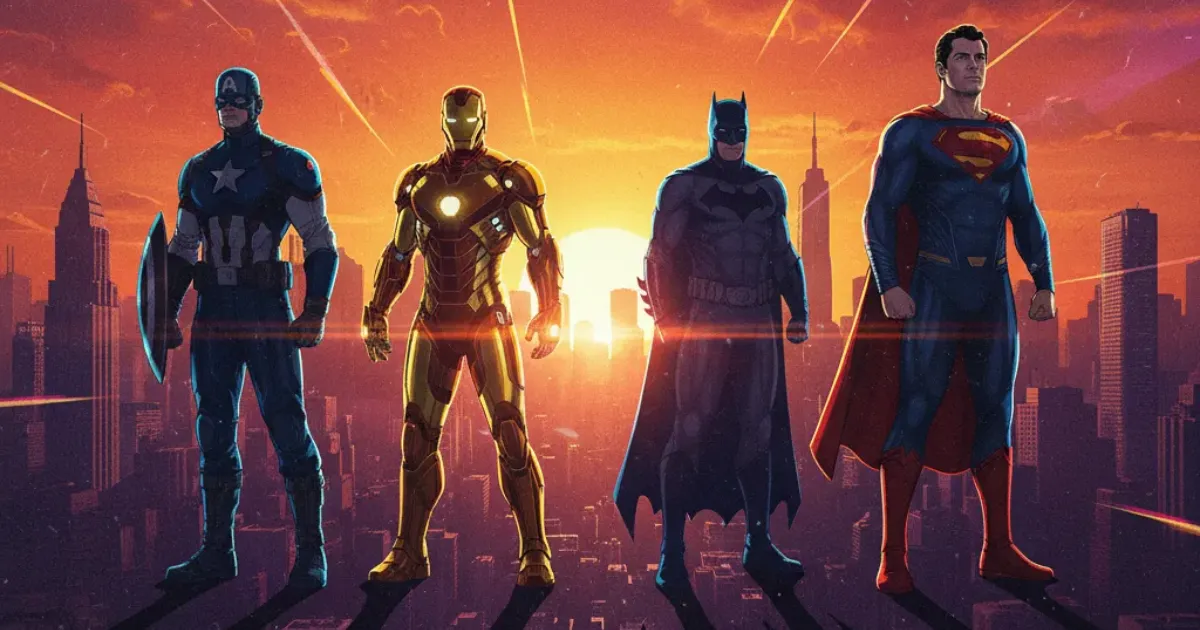
Evolution of Superhero Movies have become one of the most powerful forces in modern cinema. What began as simple comic book adaptations has evolved into massive cinematic universes with billion-dollar box office success. From the early Superman films to the global phenomenon of Avengers: Endgame, superhero storytelling has transformed not only how we watch movies but how we experience heroes themselves.
This journey through time explores how superhero films grew from campy beginnings into epic, emotionally driven blockbusters — and what lies ahead for Marvel, DC, and future franchises.
Table of Contents
1. The Golden Age: Superman and the Birth of the Superhero Film : Evolution of Superhero Movies
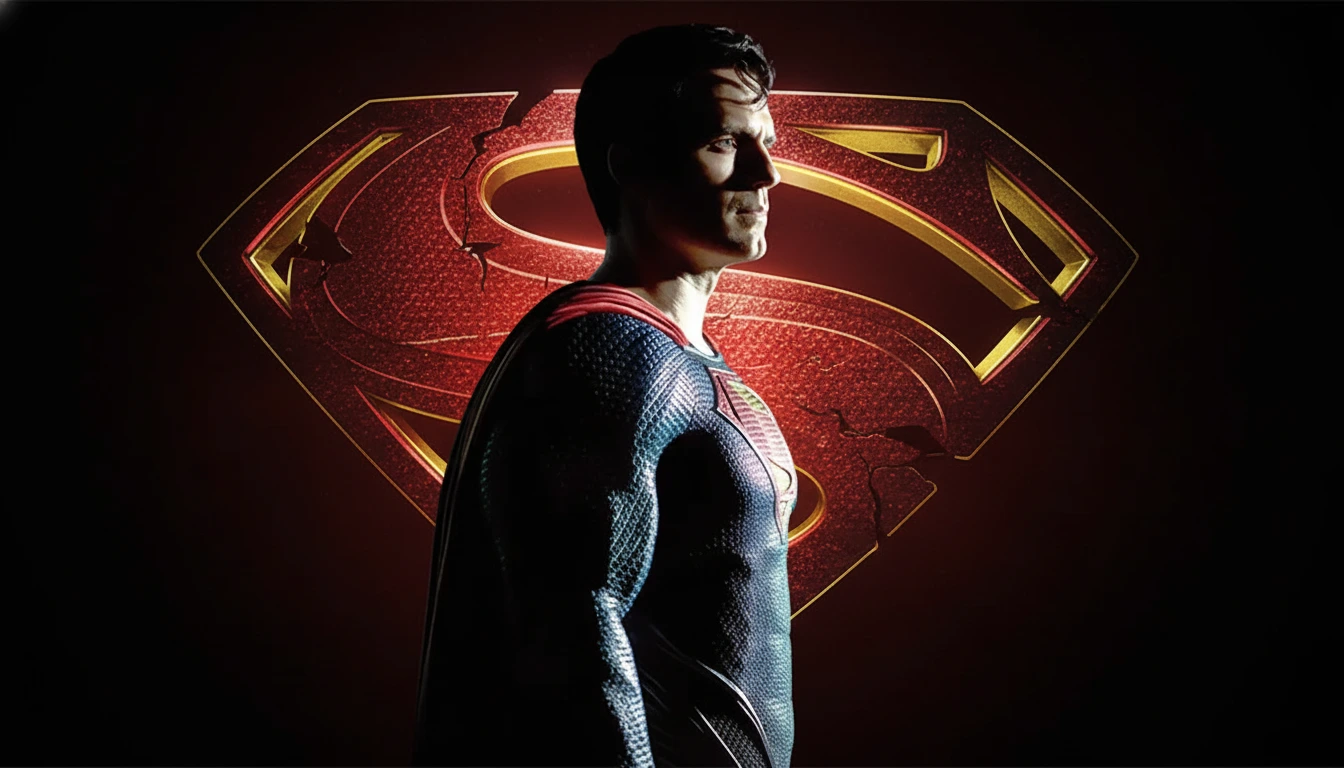
The first major superhero movie to capture public imagination was Superman: The Movie (1978). Directed by Richard Donner and starring Christopher Reeve, it introduced audiences to the idea that “a man can fly.”
It set a new benchmark for comic book adaptations — combining sincerity, special effects, and an inspiring hero’s journey.
This era focused on simplicity and moral clarity. Heroes were symbols of hope, and Superman represented the optimism of the late 20th century. While visual effects were limited, its emotional storytelling made it timeless.
2. The Dark Turn: Batman and the Rise of Realism
The late 1980s and 1990s saw a darker shift with Tim Burton’s Batman (1989). Michael Keaton’s Batman and Jack Nicholson’s Joker brought a gothic, psychological edge to the genre.
It proved superhero films could be serious art — not just comic fun.
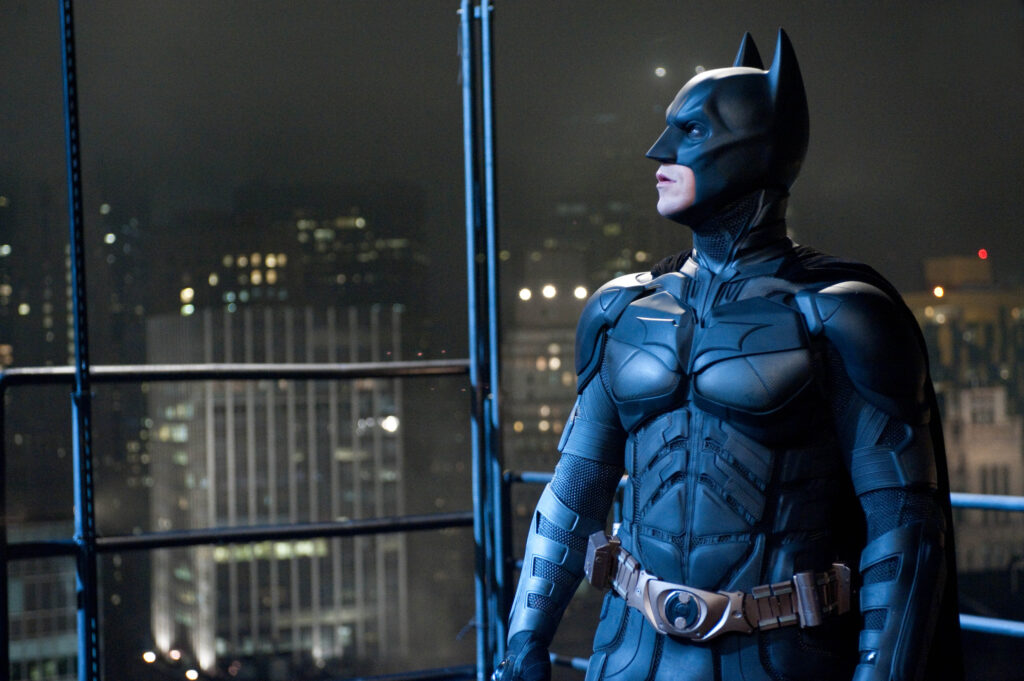
Later, Batman Begins (2005) and The Dark Knight (2008), directed by Christopher Nolan, deepened this realism. Nolan’s trilogy explored corruption, fear, and moral complexity. Heath Ledger’s Joker became an icon of modern cinema — showing that superhero movies could be both philosophical and thrilling.
3. The Marvel Revolution: Building a Universe
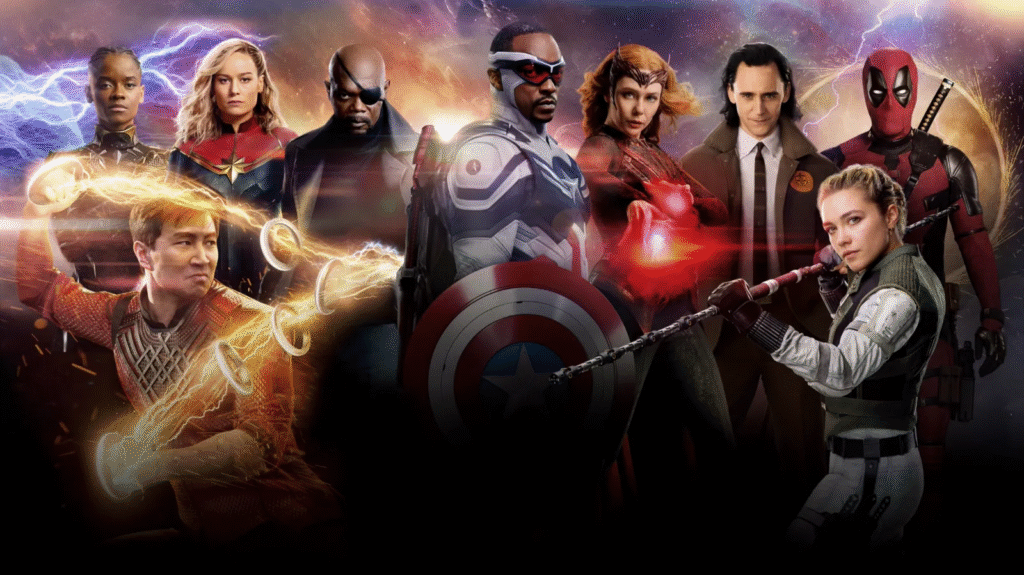
In 2008, Marvel Studios launched Iron Man, starring Robert Downey Jr., marking the start of the Marvel Cinematic Universe (MCU). What began as a standalone film soon expanded into interconnected stories — Thor, Captain America, The Avengers — building toward massive crossovers.
The MCU’s success lay in its vision and consistency. Audiences weren’t just watching movies; they were entering a shared world. By the time Avengers: Endgame (2019) arrived, it was more than a film — it was a cultural event that united fans globally.
Marvel changed Hollywood’s business model, proving that a cinematic universe could dominate for over a decade through careful planning and storytelling continuity.
4. DC’s Cinematic Journey: Struggles and Success
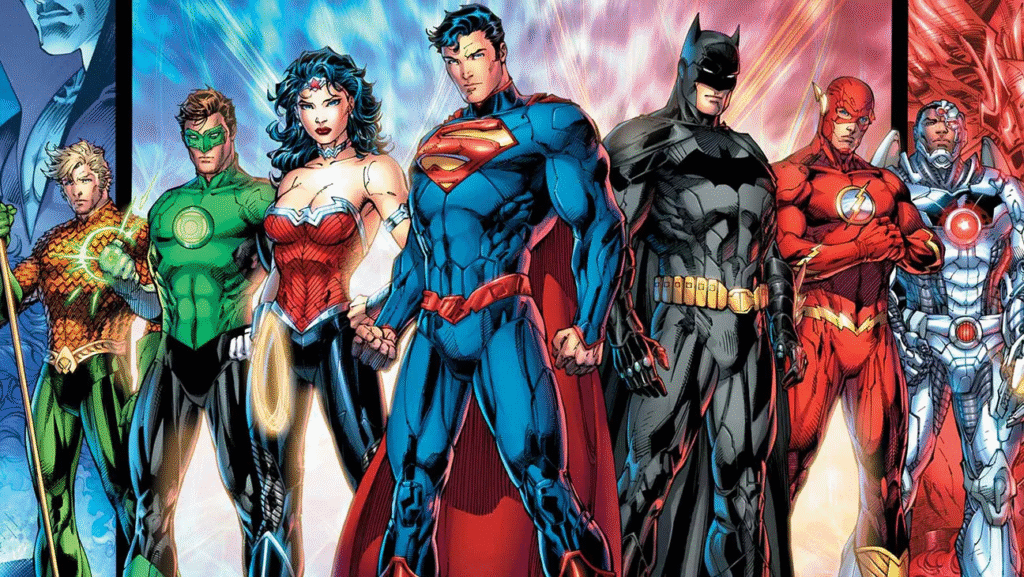
While Marvel built momentum, DC struggled to find its tone. After Nolan’s success, DC launched the DC Extended Universe (DCEU) with Man of Steel (2013). Films like Batman v Superman: Dawn of Justice and Justice League attempted to create a darker, mythic narrative but often faced criticism for tone and structure.
However, DC found success in standalone films such as Wonder Woman (2017), Aquaman (2018), The Batman (2022), and Joker (2019). Each brought fresh perspectives, emphasizing character-driven storytelling over universe-building.
Now, under James Gunn’s leadership, DC Studios is rebooting its universe, aiming for balance between creativity and connection — starting with Superman: Legacy in 2026.
5. The Rise of Diversity and Representation
Modern superhero films no longer revolve around a single archetype. Black Panther (2018) redefined what representation means in mainstream cinema, celebrating African culture and identity. Captain Marvel, Wonder Woman, and Shang-Chi showed that diverse heroes could drive billion-dollar successes.
Streaming platforms have also opened space for smaller heroes — from The Boys and Invincible to Ms. Marvel and Peacemaker — proving that audiences crave both epic action and personal storytelling.
For the full latest movies, click here.
6. The Future: Beyond Marvel and DC
The next chapter in superhero cinema may not belong solely to Marvel or DC. Studios like Sony, Amazon, and Netflix are exploring independent comic universes. Characters from Valiant Comics, Image Comics, and original streaming heroes are gaining traction.
As technology advances, so does storytelling potential. With AI-driven visuals, deeper CGI realism, and cross-platform storytelling, superhero films are evolving into experiences that blend cinema, gaming, and virtual reality.
Verdict
Superhero movies have evolved from simple good-versus-evil tales into complex, emotionally layered universes that mirror society’s values and struggles. Whether through Marvel’s interconnected worlds or DC’s artistic reinventions, these stories continue to inspire hope, courage, and imagination.
From Superman’s leap in 1978 to Avengers: Endgame’s cinematic triumph, one truth remains — audiences will always believe in heroes.
Bonus Insight: The Next Wave of Heroes
The next generation of heroes might come from unexpected places — diverse cultures, streaming platforms, or even fan-made universes. The superhero genre isn’t slowing down; it’s evolving into something more inclusive, immersive, and universal.
Superheroes are more than comic characters — they’re modern myths reflecting our times.
Which superhero movie defined your generation? Share your thoughts in the comments and explore more movie insights at MyApne.org.






Leave a Reply