

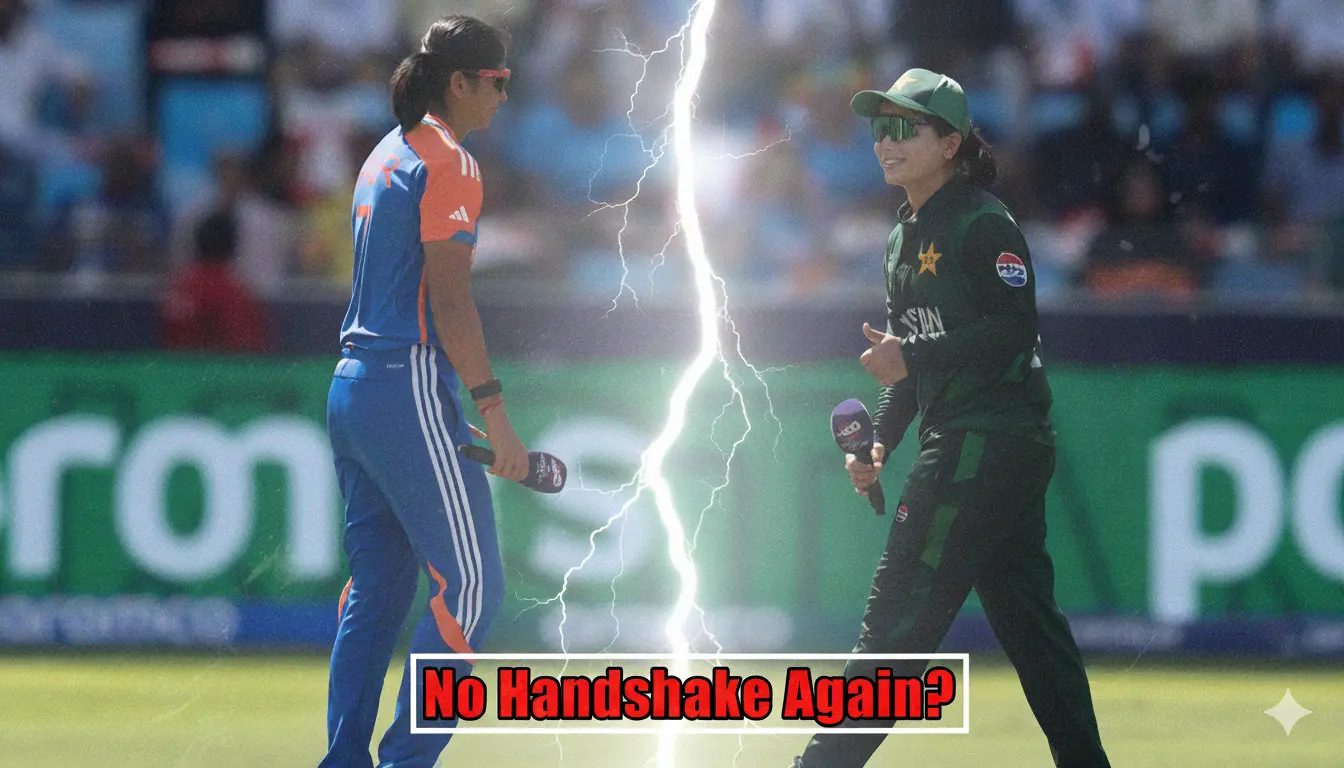
India vs Pakistan: BCCI Breaks Silence On Handshake Policy In Women’s World Cup 2025.
The Women’s ODI World Cup 2025 has been electrified not only by exceptional cricket but also by a dramatic off-field controversy—India’s rumored refusal to engage in pre-match handshakes with Pakistan. As anticipation soared for one of the sport’s biggest rivalries, reports emerged suggesting the Indian team might snub the traditional gesture due to escalating political tensions. The Board of Control for Cricket in India (BCCI) has since addressed these speculations, injecting new perspectives into an already heated conversation about sportsmanship, diplomacy, and national pride.
The Origins of a Controversial Gesture
Handshakes before or after matches have long signified mutual respect and sportsmanship, even among fierce competitors. Yet in high-voltage fixtures such as India versus Pakistan, cricket often becomes intertwined with the political climate. Sources indicated that heightened diplomatic strain and recent border tensions might push the Indian team to reconsider engaging in handshakes during the Women’s World Cup.
Media coverage quickly spun the story, polarizing audiences on social media. Some fans supported the idea, viewing it as a firm statement against Pakistan, while others urged sports to remain a bridge for peace and goodwill.
India vs Pakistan: BCCI Breaks Silence On Handshake Policy In Women’s World Cup 2025
BCCI’s Official Response
Amidst growing debate, the BCCI clarified its stance, stating, “The decision regarding handshakes is a team and management prerogative. We believe the players will uphold the spirit of the game and follow all required protocols as per ICC guidelines.” The board emphasized respect for sporting conventions but acknowledged the underlying diplomatic realities, placing the final decision with the athletes and leadership group.
This measured response underlined the complexities of Indo-Pak cricket relations, where team actions often draw interpretations beyond the boundary ropes.
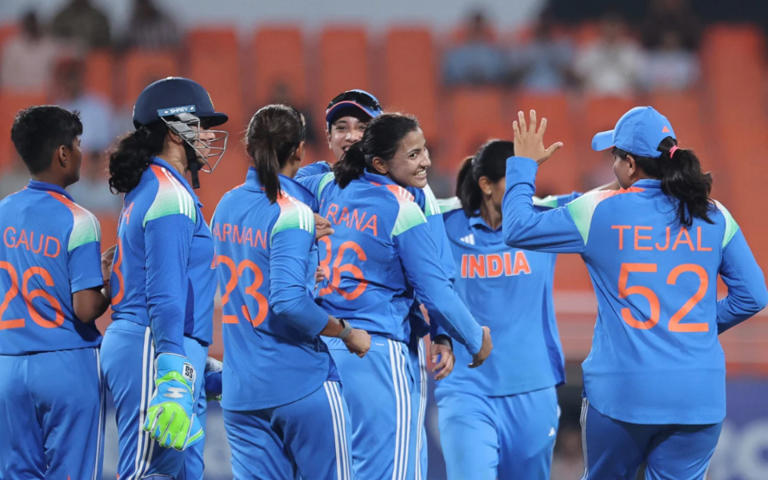
Impact on Cricket Diplomacy and the World Cup
The handshake row has reignited conversations about cricket’s powerful role as a vessel of diplomacy between India and Pakistan. Historically, matches between the two nations have reflected broader political atmospheres—from warm camaraderie during peaceful periods to icy exchanges in strained times.
The Women’s ODI World Cup, intended as a stage for sporting excellence and cross-border camaraderie, now finds itself caught in the crosscurrents of geopolitical tensions. Cricket pundits and diplomats alike hope the situation resolves respectfully, urging players and officials to distinguish personal beliefs from game traditions.
Players’ Perspectives and Team Dynamics
Indian and Pakistani players have largely avoided commenting, focusing on preparations and performance. Batters, bowlers, and captains on both sides are determined to let their skills speak louder than gestures. Nonetheless, media scrutiny means every action will be parsed for political meaning.
Senior Indian cricketers are believed to have discussed the issue internally, weighing the significance of the handshake against the backdrop of national sentiment and personal values. The team’s culture remains rooted in professionalism, but the added pressure of inter-country rivalry brings emotional complexities.
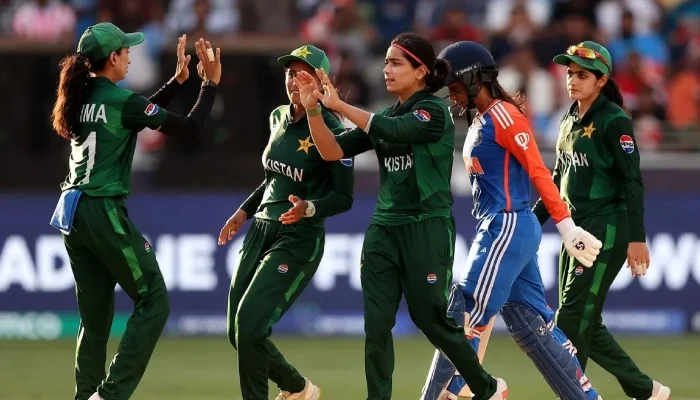
Fans React and Social Media Erupts
Social media has become a battleground over the handshake debate. Some users argue that refusing handshakes “sends a message,” while others emphasize the need for sportsmanship. Hashtags like #SpiritOfCricket and #NoHandshake trended alongside passionate posts from fans in both countries.
Many supporters are hopeful that the game itself will overshadow the drama, bringing joy and pride regardless of symbolic gestures. Others are bracing for further diplomatic fallout.
Final Analysis: Sport, Symbolism, and Spectacle
Whether the Indian team snubs handshakes or not, the Women’s ODI World Cup 2025 has already become a symbol of cricket’s role in international relations. The BCCI’s balanced response provides room for players to uphold dignity and sportsmanship while navigating the realities of their times.
In the end, it is the quality of cricket—the performances, teamwork, and fair play—that will be remembered. Every World Cup brings its share of drama, but history will judge most kindly those who act with integrity even amid tension.











Leave a Reply