

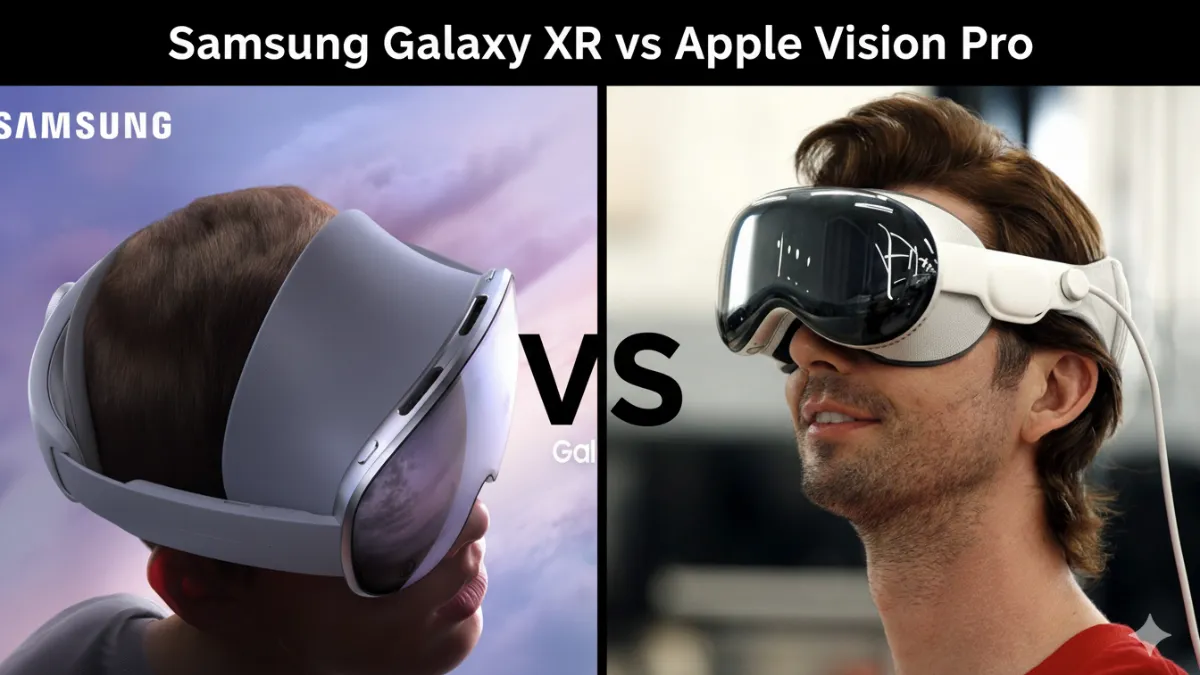
Samsung Galaxy XR vs Apple Vision Pro: Headset Showdown
The cutting-edge XR headset market heats up as Samsung has launched its Galaxy XR, directly challenging Apple’s Vision Pro. The comparison between these two flagship devices highlights key differences in design, technology, features, pricing, and ecosystem integration, making this one of the most thrilling tech battles in 2025.
Design and Comfort
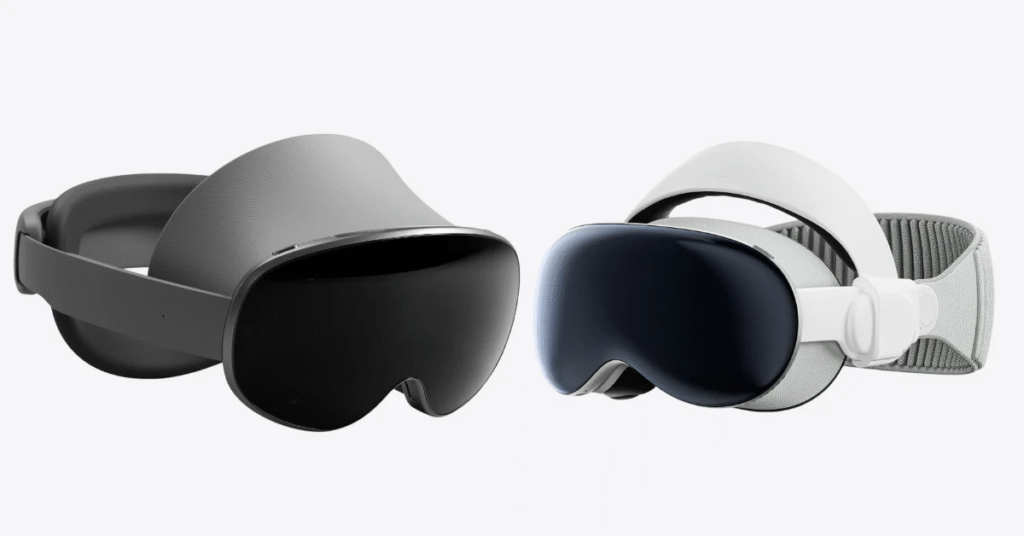
Samsung Galaxy XR weighs 545 grams, making it significantly lighter than the Apple Vision Pro’s latest M5 model, which tips the scale at between 750-800 grams. Samsung also includes a larger, thicker head cushion and an easy-adjust rotating strap that distributes weight comfortably for longer usage, something Apple users have criticized Vision Pro for lacking. Both devices feature a large visor-style front but Samsung’s design prioritizes comfort for extended wear.
Display and Visuals
The Galaxy XR sports dual micro-OLED displays with a total 27 million pixels at a resolution of 3,552 x 3,840 per eye, surpassing Vision Pro’s 23 million pixels at 3,220 x 3,220 per eye. While Apple Vision Pro offers a higher refresh rate of 120Hz, Samsung’s headset maxes out at 90Hz—a minor trade-off given Galaxy XR’s superior resolution and wider field of view at 109 degrees horizontally versus Apple’s narrower view.
Performance and AI Integration
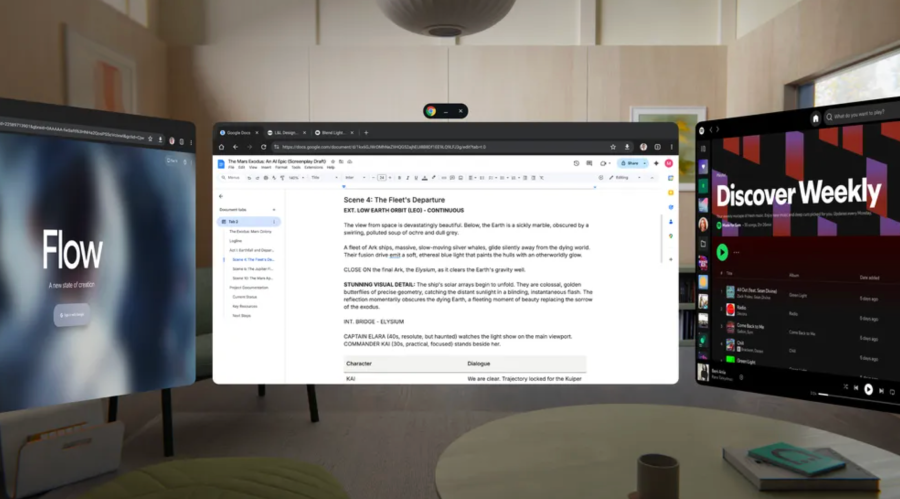
Powered by Qualcomm Snapdragon XR2+ Gen 2, the Galaxy XR offers smooth 4K video performance, leveraging Google’s Gemini AI for voice, hand, and eye tracking within the Android XR platform. This AI deep integration enables unique smart features like live task assistance and immersive experiences.
Apple Vision Pro runs on the M5 chip, which is more powerful but comes at a premium price. Apple focuses heavily on tight ecosystem integration and proprietary features like Personas for lifelike avatars. Samsung’s openness with Android XR offers a more flexible, wider software ecosystem, which may appeal to those seeking less restrictive use.
Audio and Interaction
Both headsets have spatial audio and multiple microphones for immersive sound and voice commands. Galaxy XR uses open-ear speakers with woofers and tweeters, while Vision Pro’s audio is slightly more refined. Samsung emphasizes intuitive hand tracking for controls, while Apple supports hand, eye tracking, and voice.
Battery Life and Portability
Galaxy XR offers around 2 hours of general use and 2.5 hours for video playback, with an external clip-on battery pack similar to Apple’s setup. Both allow use while charging, but Samsung’s lighter weight makes it easier for prolonged sessions.
Pricing and Market Strategy
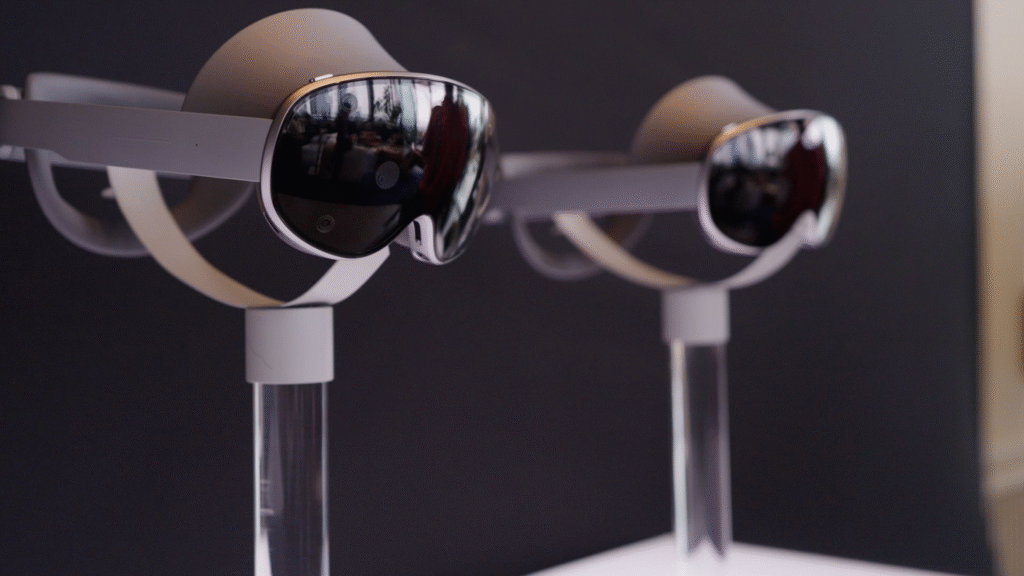
At $1,799, Samsung Galaxy XR retails for roughly half the price of Apple Vision Pro (around $3,499). Samsung targets a broader audience looking for premium features without the ultra-premium cost. Apple’s Vision Pro is positioned as a luxury device appealing to ecosystem loyalists and creative professionals.
Ecosystem and Software
Samsung collaborates deeply with Google, offering the new Android XR OS with AI functionalities powered by Gemini Live, enabling expansion into apps like Google Maps and digital creation tools. Apple’s Vision Pro leverages its integrated Apple ecosystem, including unique apps and deep Mac compatibility.
Conclusion
In the Samsung Galaxy XR vs Apple Vision Pro rivalry, both headsets bring thrilling innovations but cater to different user preferences. Samsung offers superior display resolution, lighter comfort, and smart AI integration at a disruptive price, while Apple focuses on ecosystem strength, higher refresh rates, and premium device power.
For users seeking performance, comfort, and affordability, Galaxy XR is a compelling choice. For those invested in Apple’s ecosystem and ready to pay for cutting-edge hardware and software synergy, Vision Pro remains attractive.
This comparison represents not only a battle of hardware but also a battle of philosophies—open AI-powered flexibility versus closed premium integration—in the evolving future of extended reality.












Leave a Reply