

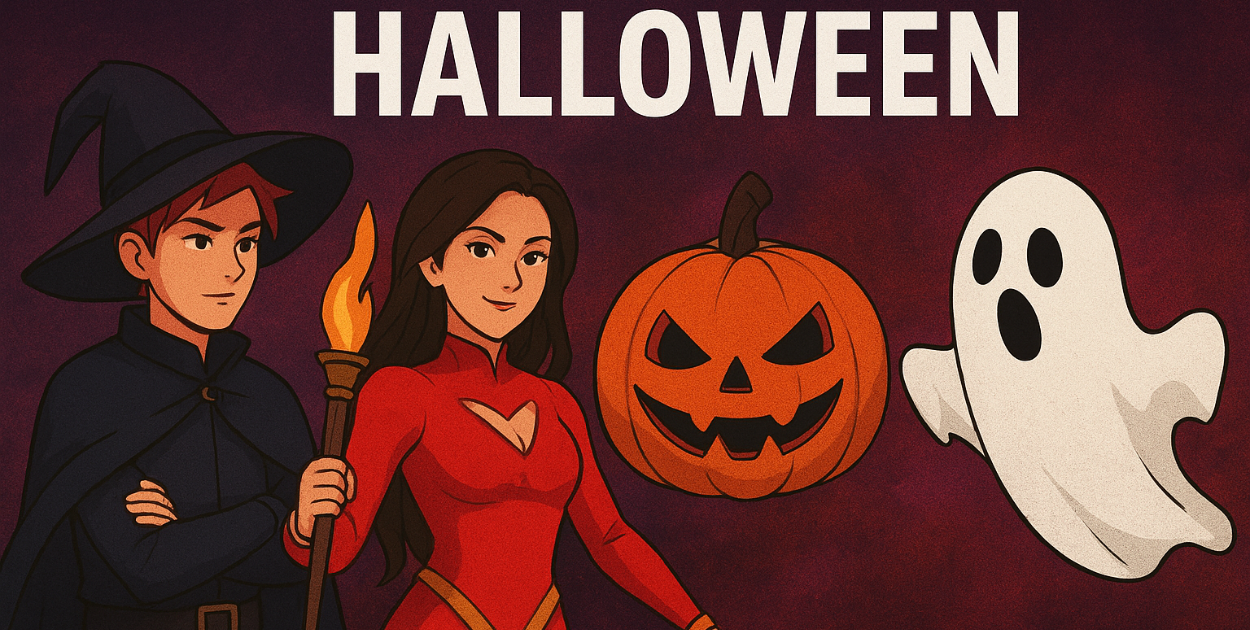
The History of Halloween: From Samhain to Modern Spookiness
Halloween as we know it today — costumes, trick-or-treating, jack-o’-lanterns — has layers of history that span centuries. Understanding where it came from helps us see why certain Halloween symbols endure (and why new ones catch on).
In this post, we’ll explore the ancient roots of Halloween, how it evolved through Christian traditions and American culture, what the modern holiday looks like now, and what future Halloween might become.
🔮 1. Roots in the Celtic Festival of Samhain
The earliest roots of Halloween trace back more than 2,000 years to the Celtic festival of Samhain. According to historical accounts:
- The Celts, especially in what’s now Ireland, the UK, and northern France, marked November 1 as their new year — signaling the end of harvest and the beginning of winter.
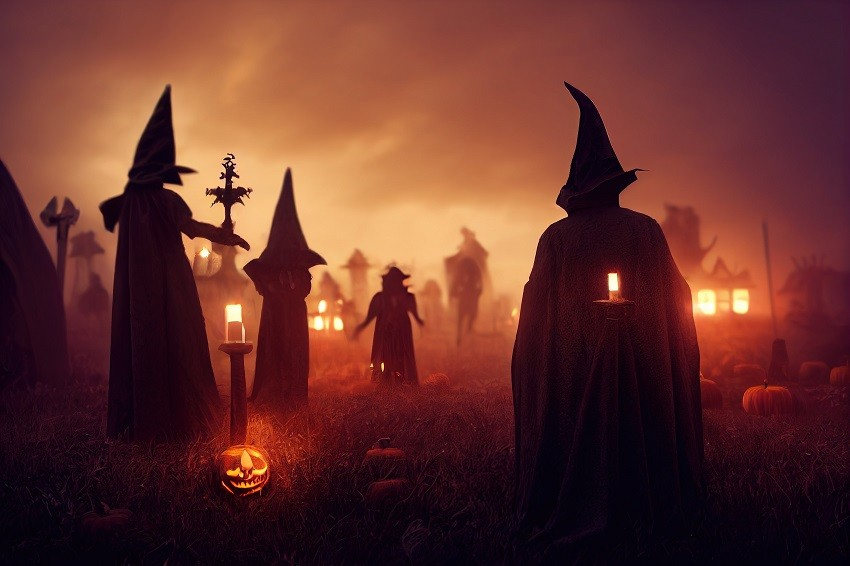
- On the night before (October 31), they believed the barrier between the living and the spirit world was thinnest. Spirits, fairies, and ghosts might roam the earth.
- To appease or deceive these spirits, people lit bonfires, made offerings, wore costumes (animal hides, masks), and practiced divination.
This night of “spirit overlap” laid the foundation for many later Halloween traditions.
⛪ 2. Christian Influence: All Saints, All Souls & All Hallows’ Eve
As Christianity spread into Celtic lands, the early church sought to incorporate or reframe pagan practices. Over time:
- In the 7th to 9th centuries, All Saints’ Day (November 1) and All Souls’ Day (November 2) were instituted to honor saints and the dead.
- The night before All Saints’ Day became known as All Hallows’ Eve, which gradually shortened to Halloween.
- Some traditions merged: for example, the ancient custom of souling (giving prayers for the dead in exchange for food) aligned with the Christian emphasis on martyrdom and remembrance of souls.
This blending made Halloween part pagan, part religious observance.
🇺🇸 3. Halloween Arrives in America and Reinvents Itself
When European immigrants (notably the Irish) came to America in the 19th century, they brought their Halloween customs with them. But these evolved significantly in the American context:
- Early American Halloween was more regionally observed — some places had harvest festivals, bonfires, and community gatherings.
- By the early 20th century, Halloween became more secular, focusing on fun, community events, and children’s parties rather than superstition.
- By the mid-20th century, trick-or-treating became widespread, and Halloween turned into a standardized holiday in many U.S. neighborhoods.
- Halloween also became a major commercial holiday, with costumes, candy, decorations, and themed media fueling spending and cultural momentum.
These layers show how Halloween transformed from a ritualistic event into a cultural and social spectacle.
🎃 4. Modern-Day Symbols & Their Meanings
Many of the familiar Halloween elements have symbolic roots:
- Jack-o’-lanterns: Originally carved turnips or roots in Ireland to ward off spirits or symbolize the soul’s light, later adapted to pumpkins in America.
- Masks and costumes: To disguise oneself from spirits or to impersonate them, reducing spiritual harm or confusing ghosts.
- Candy & treats: Echoes of offerings left out for spirits; transformed into the modern idea of “trick-or-treat.”
- Black cats, ghosts, skeletons: Symbols tied to superstition, death, and the supernatural traditions of many ancient cultures.
Even though most people today don’t believe in the original spiritual meanings, these motifs endure because they are visually strong, evocative, and culturally resonant.
🔮 Bonus Insight: What Halloween Might Look Like in the Future
With the rise of virtual worlds, augmented reality, and shifting social norms, Halloween could evolve in exciting ways:
- AR / VR costumes: People may use digital overlays instead of physical costumes.
- Haunted experiences in virtual spaces: You might visit haunted houses in VR, interact with digital ghosts or immersive horror games.
- Sustainable & tech costumes: Use of LED, smart fabrics, recycling, and interactive light/sound elements.
- Global blend: As cultures mix more, Halloween might absorb more traditions from different countries, making it an ever-expanding celebration.
In other words, Halloween may stay the same in spirit — boundary between real and imagined — but change significantly in how people experience it.
✅ Final Verdict
Halloween is much more than a party night: it’s the result of millennia of belief, adaptation, and reinvention. From Celtic rituals to Christian holidays to American commercial celebration, Halloween continually transforms.
Today we enjoy a holiday filled with costumes, candy, and theatrics — but its deeper roots remind us about life, death, tradition, and our ongoing fascination with the unknown.
💬 What do you think?
Which Halloween tradition do you find most meaningful or fun? Do you feel more drawn to the spooky, the theatrical, or the social side?
Please let me know in the comments below — and stay tuned to Myapne.org for fascinating stories about culture, traditions, and the evolving meanings behind our celebrations.






Leave a Reply