

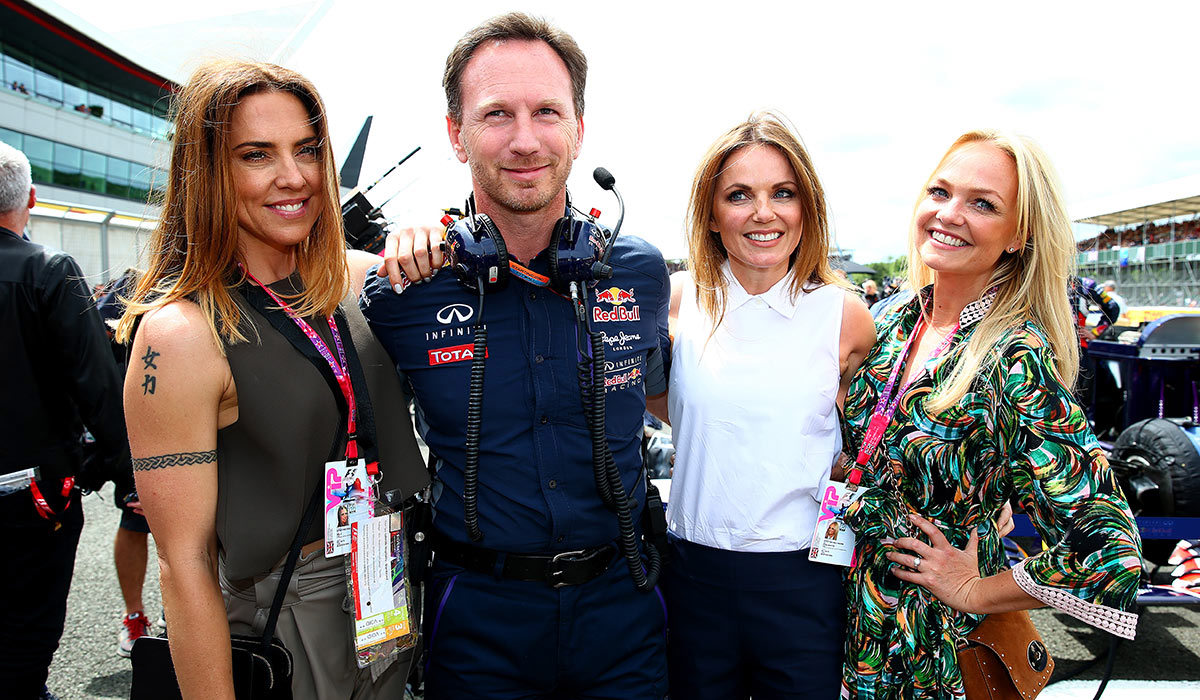
In recent days, Christian Horner Scandal, former Red Bull Formula 1 team principal, has found himself at the center of a major scandal following allegations of misconduct. The story took a dramatic twist when news broke that a woman involved in the case received a £3 million payoff to leave Red Bull and drop her claims. This settlement has stirred renewed debate—not just about Horner’s career, but also about the broader culture and ethics within F1.
In this post, we’ll break down what’s known so far, how people are reacting, and what this might mean for the reputation of the sport moving forward.
What Exactly Happened?
- Reports revealed that legal negotiations between Horner and one of the accusers concluded with a £3 million settlement. The accuser’s identity remains protected by legal restrictions.
- The allegations involve inappropriate behavior in the form of explicit text messages. Details are still limited in the public domain due to privacy laws.
- Horner was formally removed from his position at Red Bull on September 22, 2025. This scandal has been a major factor contributing to the fallout that followed. The Times of India
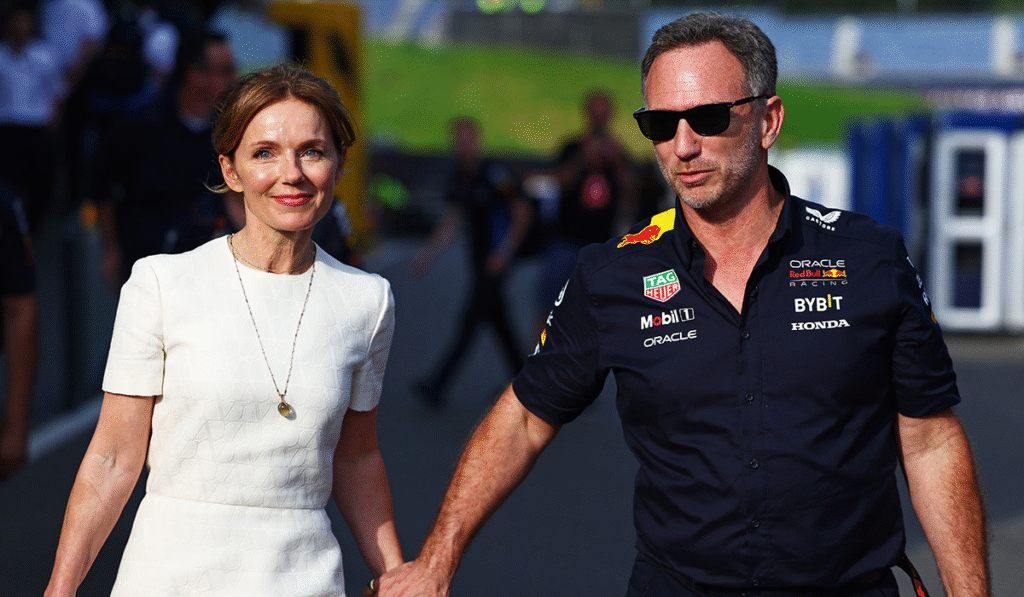
Reactions From Fans, Media & Sponsors
- Many fans are divided. Some believe Horner’s leadership skills contributed greatly to Red Bull’s success in recent years, while others feel the scandal tarnishes his legacy irreparably.
- Media outlets are digging into the implications of how the case was handled—with questions about transparency and corporate responsibility.
- The sponsors connected to F1 are watching closely. In high-visibility sports, a scandal like this often forces brands to re-evaluate their associations. Any negative publicity could lead to sponsor withdrawal or decrease in brand reputation.
Why This Scandal Matters for Formula 1’s Public Image
- Trust & Culture
Formula 1, like any major global sport, relies on a strong public image and trust. Issues of misconduct affect how fans, drivers, partners, and broadcasters perceive the sport. - Precedent for Accountability
How Red Bull and F1 governing bodies respond establishes precedent. Will there be stricter policies for handling allegations? More robust oversight? - Legal & Ethical Implications
Settlements like these raise questions about whether organizations prefer quiet resolutions over public accountability. Transparency and ethical standards are increasingly important in the sports world. - Financial Consequences
F1 is a multimillion-dollar business. From sponsorship deals to ticket sales and broadcasting rights, brand trust plays a big role in revenue. Scandals can lead to short or long-term financial repercussions. Christian Horner Scandal.

Potential Next Steps & What to Watch
- Will the person who received the settlement ever speak publicly if confidentiality allows? Any additional disclosures could change the narrative.
- Will Formula 1 implement new policies — for example, stricter guidelines on misconduct, communication channels for allegations, or more robust oversight over team principals and executives?
- How will fans respond? Will this affect viewership, merchandise, or public support for Red Bull?
- How the media frames further developments (did Red Bull handle this internally, or was external pressure needed) will likely shape how similar cases are handled in F1 in the future. Christian Horner Scandal.
Conclusion
The £3 million settlement involving Christian Horner marks a serious moment for Formula 1. It’s not just about one person’s legacy—it’s about ethics, leadership, and the image of the sport itself. As we wait for more facts to come out, one thing is clear: this scandal will fuel conversations about responsibility and transparency at the highest levels of racing.











Leave a Reply