

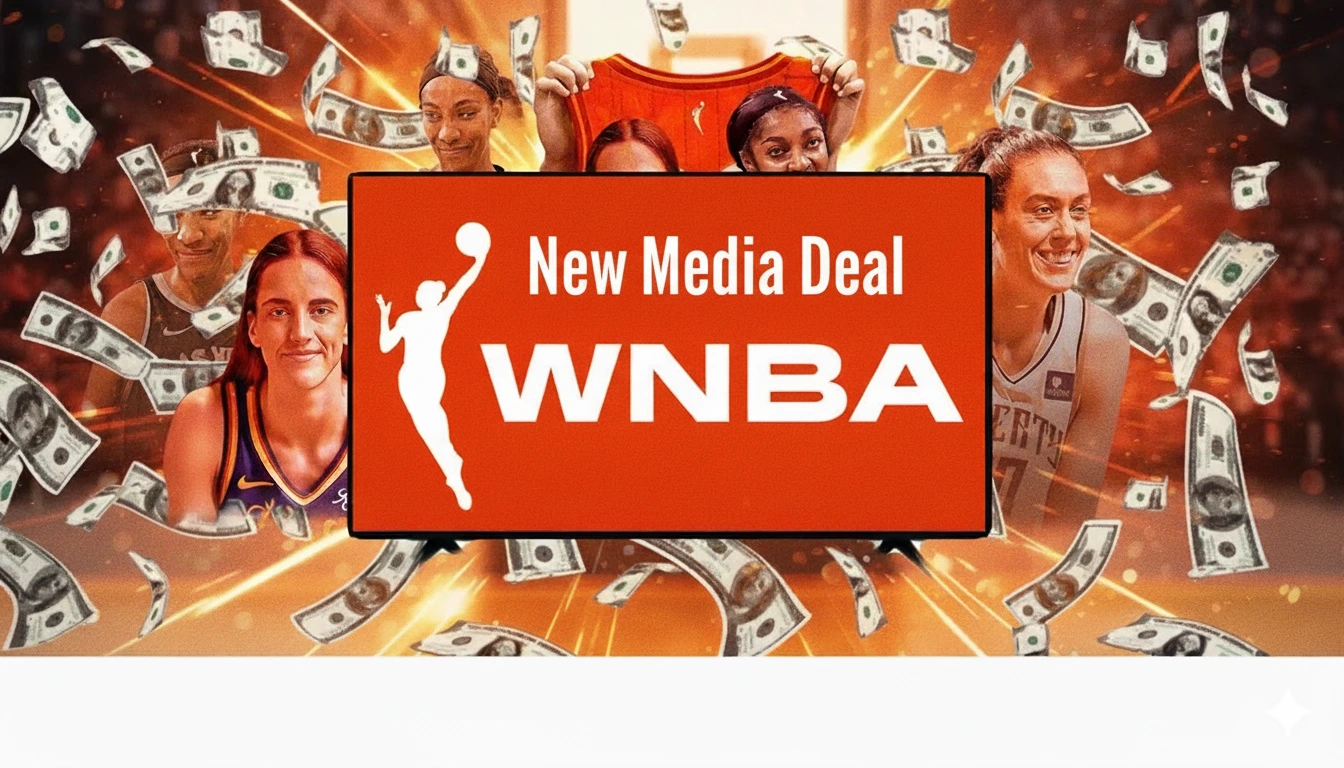
The WNBA is entering a new era. With a groundbreaking 11-year media rights deal that will see 50 games per season aired on USA Network through 2036, women’s basketball has never had more exposure. It’s a historic agreement — but players are making it clear: visibility alone isn’t enough.
From locker rooms to social media feeds, star athletes are speaking out about what this deal really means for their livelihoods, the future of the league, and how they want to see change. Their message is consistent: the spotlight is brighter, but fair compensation, better conditions, and stronger leadership must follow.
The Deal at a Glance
- Length: 11 years (through 2036)
- Network: USA Network (part of NBCUniversal)
- Coverage: At least 50 games per season, including playoffs and some Finals games
- Format: Weekly Wednesday doubleheaders, plus pre- and postgame studio shows
- Value: Part of a broader $200 million-per-year package involving Disney, NBC, and Amazon Prime
On paper, this kind of consistent national exposure is something women’s sports advocates have demanded for decades. But while the league celebrates the partnership, many players are asking: will this money and exposure trickle down to the athletes who make it possible?
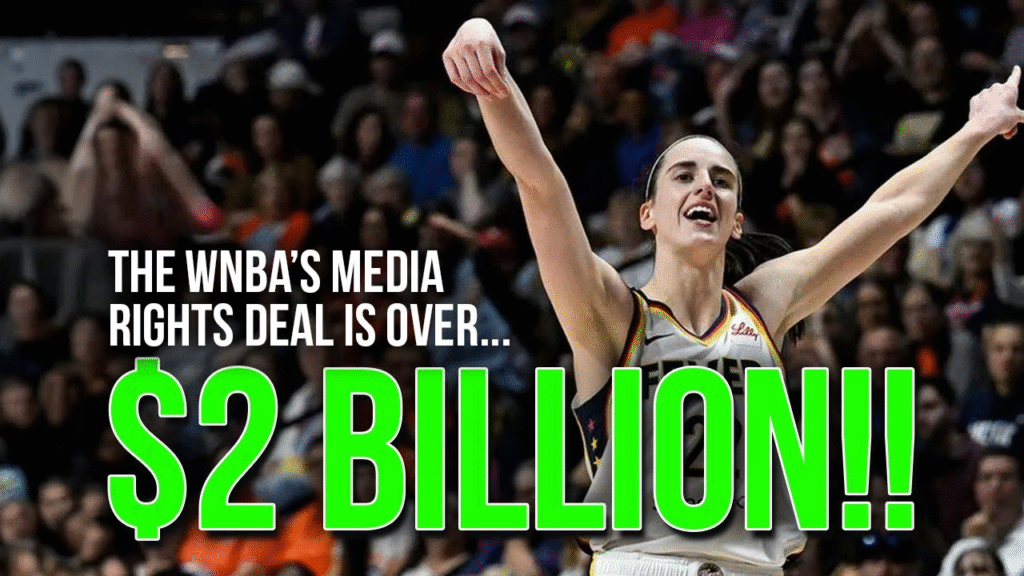
A Crucial Moment: Media Rights Meet Labor Rights
The timing of this deal collides with another massive storyline: the upcoming expiration of the collective bargaining agreement (CBA) between the WNBA and the players’ union (WNBPA).
Negotiations are underway, and initial reports suggest the league’s proposals have left players deeply unsatisfied. Phoenix Mercury’s Satou Sabally called the first draft “a slap in the face.” That sentiment has only intensified as details of the media rights deal became public, highlighting the growing gap between rising league revenues and stagnant player compensation.
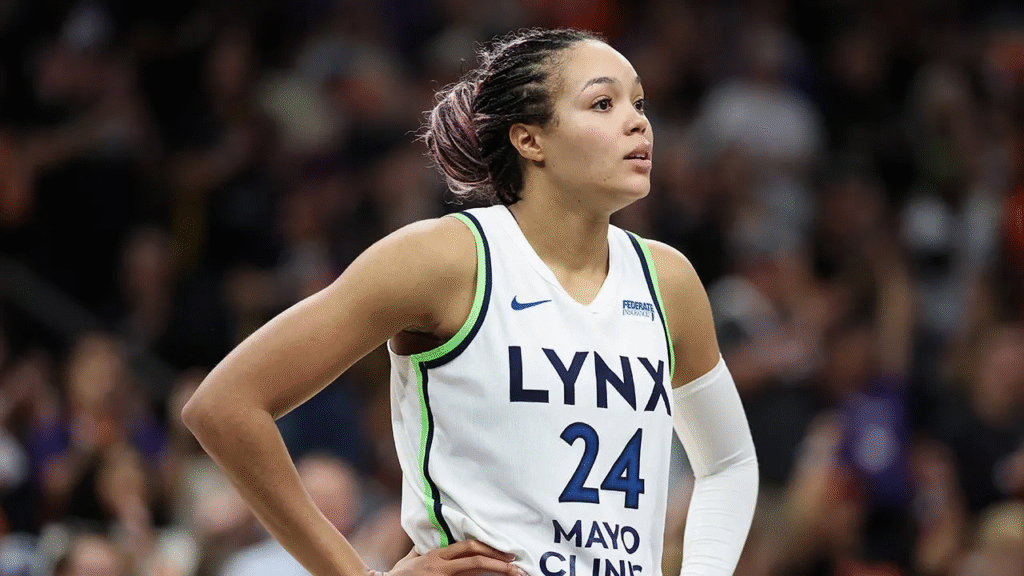
Napheesa Collier’s Bombshell Critique
The most explosive reaction came from Minnesota Lynx star Napheesa Collier, who delivered a searing critique of the league’s leadership just days after the deal was announced.
“We have the best players in the world. … But right now we have the worst leadership in the world.” –
Collier went further, alleging that Commissioner Cathy Engelbert once told her players should be “on their knees thanking their lucky stars for the media rights deal that I got them.”
Her comments cut to the core of the tension: yes, the deal is historic, but if players feel disrespected and excluded from decision-making, the relationship between athletes and leadership risks collapse.
A Wave of Support Across the League
Collier isn’t standing alone. Players across the WNBA quickly rallied around her words, amplifying the message that this frustration isn’t limited to one star.
- Lexie Hull (Indiana Fever): “I think I agree with everything [Collier] said … changes need to be made … we’re at a really important time in the league.”
- Angel Reese (Chicago Sky): Posted “10/10. No notes!” on X in response, later highlighting how low WNBA salaries push players to seek supplemental income, including her $50K win in the Unrivaled league.
- Sophie Cunningham (Phoenix Mercury): Took to Instagram, bluntly calling Engelbert “delusional” in reaction to Collier’s remarks.
- WNBPA statement: “When Phee speaks, people listen … confident her words … speak to the feelings and experiences of many or most of the players across the W.”
This groundswell signals something important: players across teams, roles, and markets are unified in demanding accountability.
What Players Want: Beyond TV Deals
So what are players asking for? Their reactions highlight several recurring themes:
1. Fair Revenue Share
The NBA has long had a 50/50 revenue split between players and owners. The WNBA, despite surging popularity, still lags far behind. Players argue that if media rights packages are worth hundreds of millions, they should directly benefit in their salaries and bonuses.
2. Better Salaries and Benefits
The average WNBA salary is still a fraction of the NBA’s. Some rookies earn under $75,000 per year, leading many to play overseas or join offseason leagues just to make ends meet. Players are pushing for meaningful raises, pension support, and long-term stability.
3. Improved Working Conditions
Collier and others have criticized officiating, scheduling, and injury care. Better medical coverage, more rest days, and higher-quality refereeing are part of their demands.
4. Respect and Transparency
Collier’s claim that the commissioner dismissed players’ concerns with patronizing remarks underscores a cultural issue. Players want to be treated as equal partners in shaping the league’s future, not just employees.
5. Fan-First Growth
Ironically, the players’ demands align with what fans want: higher quality broadcasts, fewer travel delays, consistent officiating, and star athletes who aren’t forced to choose between rest and offseason jobs.
The Commissioner’s Response
Commissioner Cathy Engelbert responded to Collier’s criticisms by expressing “utmost respect” for her but admitting she was “disappointed by the characterization of leadership.”
From the league’s perspective, these deals represent stability and growth after years of financial struggle. Engelbert has often argued that building long-term sustainability requires patience and careful reinvestment.
Still, the optics are clear: while the league highlights billion-dollar partnerships, its players are publicly voicing frustration, creating a stark disconnect.
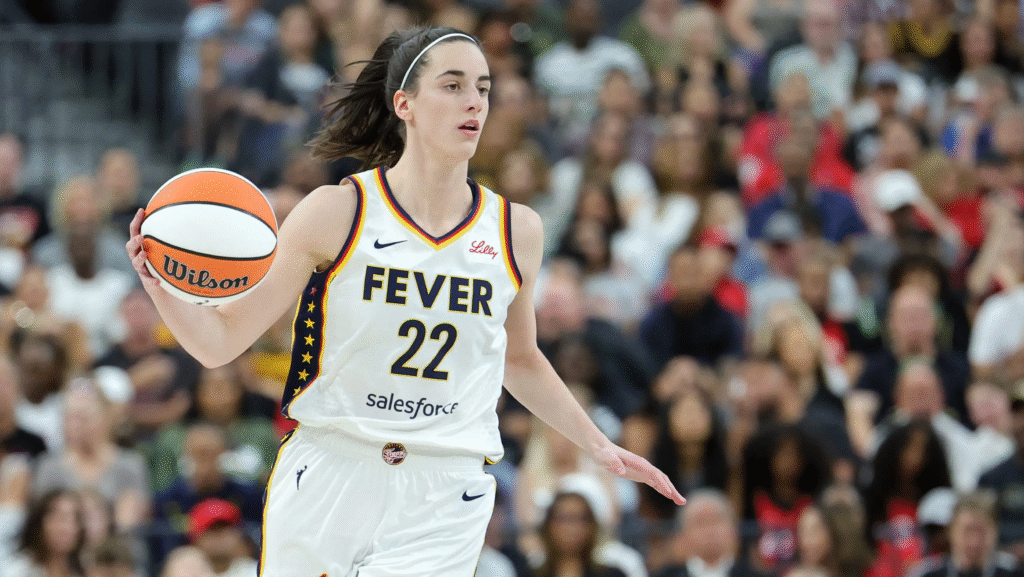
Risks Ahead: CBA Standoff and Possible Player Action
The clash between media hype and player discontent is setting the stage for high-stakes CBA negotiations. Some experts warn of potential:
- Strikes or lockouts if players feel sidelined.
- Public backlash if the league fines players for speaking out.
- Divisions between star players (who earn endorsement deals) and role players (who rely solely on league salaries).
The outcome of these talks could define the WNBA’s next decade — not just financially, but culturally.
Why This Matters for Fans
Fans may wonder: what does all this mean for me? The answer is simple.
If players’ demands are met, fans benefit from:
- Healthier athletes performing at their peak.
- Consistent broadcasts with higher production value.
- A stronger league that attracts more talent globally.
- Fewer offseason departures to overseas leagues.
In other words: better basketball, more often, on bigger stages.
The Future of the WNBA: A Turning Point
The WNBA’s new deal with USA Network is historic, but the real history will be written in how players and the league navigate the next year.
Will the revenue boost translate into fairer salaries? Will leadership embrace player voices instead of silencing them? Will fans rally behind athletes calling for change?
As the WNBPA put it: “When Phee speaks, people listen.” The question now is: will the league act?
Final Thoughts
The WNBA is no longer a niche league fighting for airtime — it’s a fast-growing, billion-dollar property with superstar athletes who are household names. But if players continue to feel undervalued, no amount of TV exposure can mask the cracks in the foundation.
The next CBA and the way the league responds to player criticism will determine whether this media deal is remembered as the start of a golden era — or as a missed opportunity.
For fans and followers of women’s sports, this is a moment to watch closely. The game is changing, but whether it changes for the better depends on whether the voices of the players are truly heard.









Leave a Reply