

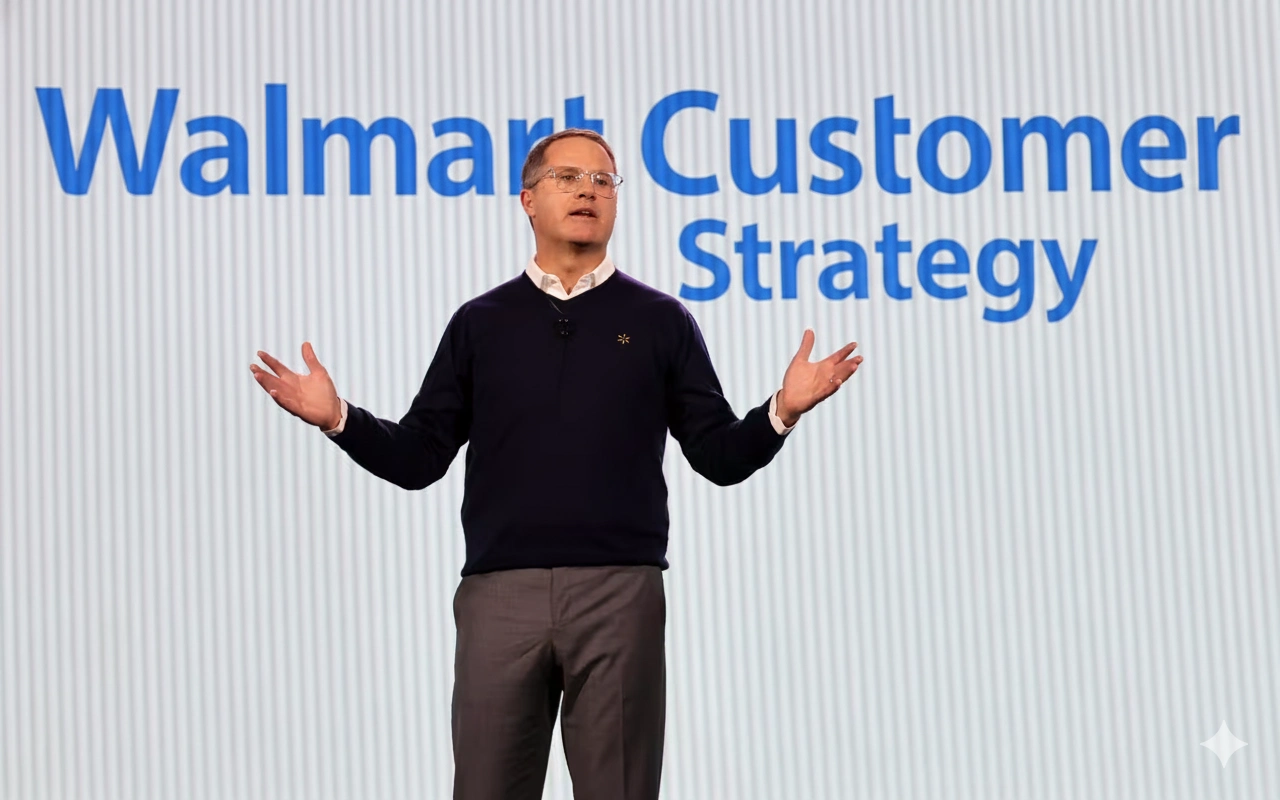
Walmart Customer Strategy – Revolutionizing Retail for Every Shopper
Walmart customer strategy has become a textbook example in modern business transformation, showing how a retail giant can reinvent itself and thrive regardless of economic, social, or technological challenges. Under Doug McMillon’s leadership, Walmart morphed from its reputation of serving mainly budget-focused rural America to a powerhouse that welcomes every customer segment, winning trust both in-person and online.
Walmart Customer Strategy: The Foundation of Success
At the heart of the Walmart customer strategy lies an obsessive commitment to understanding and addressing customer needs at scale. This philosophy, forged over 11 years under McMillon, is credited for the company’s remarkable turnaround and for driving Walmart’s stock to historic heights even as competitors like Target and Home Depot falter.
Key facts:
- Walmart’s grocery segment now makes up over half its sales, attracting millions with low prices and upgraded quality.
- High-earning households (over $100,000/year) are fueling Walmart’s new growth phase.
- Walmart’s stock price reached record levels in 2025, far outperforming rivals.
Walmart Customer Strategy in Action: From Superstore to Super Platform
Walmart customer strategy evolved beyond brick-and-mortar stores. By investing heavily in e-commerce, Walmart became a leader, holding a 9.4% market share, second only to Amazon’s 40.6%. With innovations like Walmart+, same-day grocery delivery, and buy-online-pickup-in-store, Walmart appeals to convenience-minded shoppers who crave flexibility.
Historical facts:
- Doug McMillon started as Walmart’s youngest CEO since Sam Walton.
- Walmart’s partnership with OpenAI lets customers shop via ChatGPT—a leap for AI-driven shopping experiences.
- Walmart superstores were once rural hubs; now, urban and high-income consumers are regulars.
Walmart Customer Strategy: Adapting to Change
Whether navigating complex political cultures or changing consumer expectations, the Walmart customer strategy always puts the shopper first. The company raised wages, improved benefits, and became an example in employee retention—a key reason Walmart’s groundbreaking turnaround resonates in business schools today.
Exact facts:
- Walmart moved to moderate its political stance to avoid alienating any customer base.
- It carefully navigated controversies, including firearms and LGBTQ rights, influencing shopping sentiment.
Walmart Customer Strategy: Leadership for the Future
As Doug McMillon retires, his successor John Furner is trusted to continue the dynamic Walmart customer strategy legacy. The challenges ahead include inflation, tariffs, and the growing influence of artificial intelligence in retail, but Walmart stands resilient thanks to its customer-first approach.
Recent developments:
- Walmart announced ChatGPT-powered shopping via a partnership with OpenAI.
- The grocery strategy, expanded product quality, and low prices ensured Walmart’s success during pandemic inflation.
Walmart Customer Strategy – Core Facts and Numbers
| Strategy Aspect | Details/Facts |
| Grocery Sales | Over 50% of total Walmart sales |
| E-Commerce Share | 2nd in USA at 9.4%, behind Amazon |
| High-Income Shoppers | Now drive significant growth |
| Employee Retention | Improved through better wages & benefits |
| CEO Transition | John Furner steps in 2025 |
| Innovation | ChatGPT partnership for shopping |
Walmart Customer Strategy: Why It Matters Now
The success of the Walmart customer strategy shows how smart leadership, listening to your shoppers, and adapting to changing times can make a brand truly universal. From price negotiation to online innovation and inclusive customer policies, Walmart’s approach is a playbook for all retailers aiming for lasting growth.












Leave a Reply